Driving sustainability in academia and society
EU-funded project under the EU-ASEAN Sustainable Connectivity Package – Higher Education Programme (SCOPE-HE)
In line with the United Nations 2030 Agenda for Sustainable Development, global partnerships—particularly between developed and developing countries—are essential for achieving the Sustainable Development Goals (SDGs).
GreenTrans-Edu project brings together six Higher Education Institutions (HEIs) from the EU and ASEAN regions in a collaborative cluster.
Sustainable Development Goals
Countries
Higher Education Institutions
Months
Technische Universität Ilmenau
Technische Universität Ilmenau, located in the state of Thuringia Germany, is a public (state-owned) technical university consist of five faculties with around 4.200 students. Embracing a Whole Institution Approach to sustainability, TU Ilmenau is committed to embedding sustainability across its research, teaching and transfer. As a technical university, it focuses its research particularly on SDG 7 (Affordable and Clean Energy), SDG 9 (Industry, Innovation and Infrastructure), and SDG 12 (Responsible Consumption and Production). TU Ilmenau actively cultivates regional partnerships, recognizing the importance of collaboration within its local context. As part of the KLIMA-N network, it works closely with other Thuringian universities to advance sustainable transformation in higher education. On a broader scale, it plays a key role in the SUNRISE alliance, a European network that fosters cooperation among small and medium-sized universities to promote sustainability and innovation across the EU. As chair of the GreenTrans-Edu cluster, TU Ilmenau also extends its sustainability partnerships to higher education institutions in Southeast Asia.
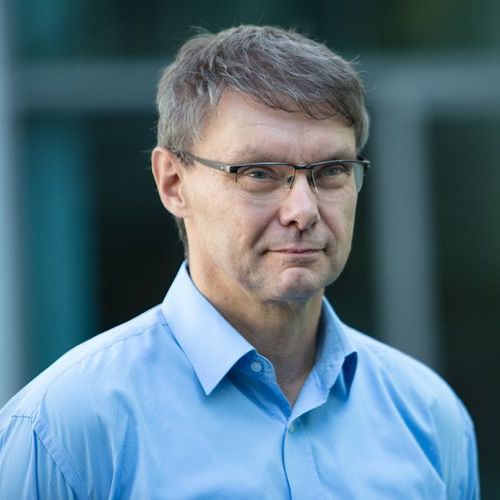
Cluster Lead
Prof. Dr. phil. Jens Wolling
Université de technologie de Compiègne
The University of Technology of Compiègne (UTC) is a leading French institution that blends engineering, social sciences, and innovation to address global challenges. With a strong commitment to interdisciplinary education and research, UTC actively integrates the United Nations Sustainable Development Goals (SDGs) into its academic mission. The university promotes sustainability through programs in environmental engineering, circular economy, clean energy, and responsible innovation. Research at UTC emphasizes real-world impact, with collaborations that tackle climate change, sustainable mobility, water management, and digital transformation for sustainable societies. Students are encouraged to develop critical thinking and practical skills through project-based learning and partnerships with industry and international institutions. UTC’s dedication to sustainability is reflected in its campus initiatives, research centers, and participation in European and global projects aligned with the SDGs.

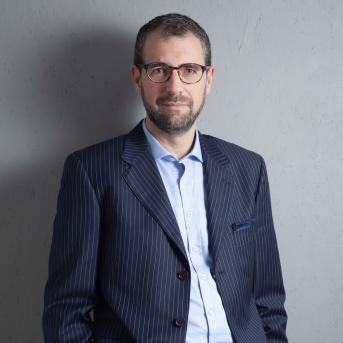
Cluster member
Prof. Dr. Martin Morgeneyer
Universitas Pancasila
Universitas Pancasila (UP), founded on October 28, 1966. Pancasila, used as the name of this university, is not just the identification and differentiator from other universities but it has an instrinsic depth of meaning under the mission carried out by the Universitas Pancasila, that is “providing positive roles in science and technology development as well as community development, based on Pancasila, as aspired in the Preamble to the 1945 Constitution, Republic of Indonesia.“ In this context, Universitas Pancasila intends to produce scholars who have the spirit of Pancasila through seven Faculties – Economics and Business, Pharmacy, Law, Engineering, Psychology, Tourism, and Communication. The Faculty of Communication, through UNESCO Chair on Communication Sustainable Development, focuses on climate (SDG 13), cultural diversity (SDG 16), and gender equality (SDG 5). Meanwhile, the Faculty of Enginering focuses on six chapters – SDG 4 (Quality Education), SDG 6 (Clean Water and Sanitation), SDG 7 (Affordable and Clean Energy), SDG 9 (Industry, Innovation and Infrastructure), SDG 11 (Sustainable Cities and Communities), and SDG 12 (Responsible Consumption and Production).

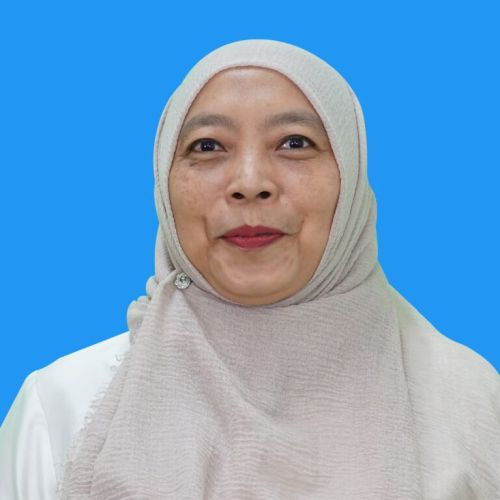
Cluster member
Anna Agustina PhD.
President University
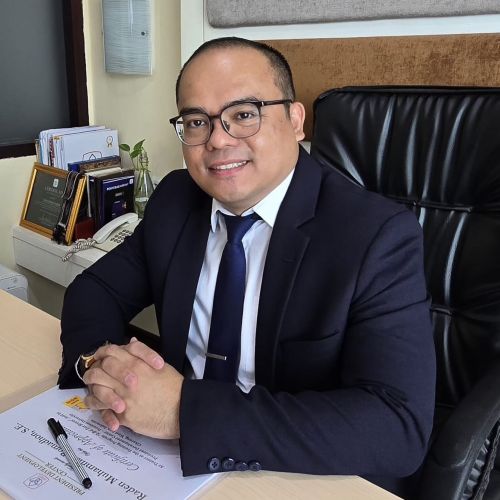
President University, located in the Jababeka Industrial Estate of Bekasi, West Java, is a private institution ,home to around 5,000 students from Indonesia and abroad. As one of the few Indonesian universities that delivers all courses in English, it nurtures a highly international academic environment while drawing strength from its unique location amid more than 1,700 multinational companies. Organized into four faculties—Business, Computer Science, Engineering, and Humanities—the university embeds sustainability as a cross-cutting priority in its teaching, research, and student development streams. The Faculty of Engineering, through its Environmental Engineering program, focuses on renewable energy technologies and ecological infrastructure, advancing the goals of SDG 7 (Affordable and Clean Energy) and SDG 11 (Sustainable Cities and Communities). Meanwhile, the Faculty of Business integrates circular economy principles, sustainable finance, and entrepreneurial practice into its programs, while the Agribusiness program highlights biodiversity conservation, sustainable land management, and food system resilience in line with SDG 15 (Life on Land).
Cluster member
Dr. Dani Lukman Hakim
Mindanao State University
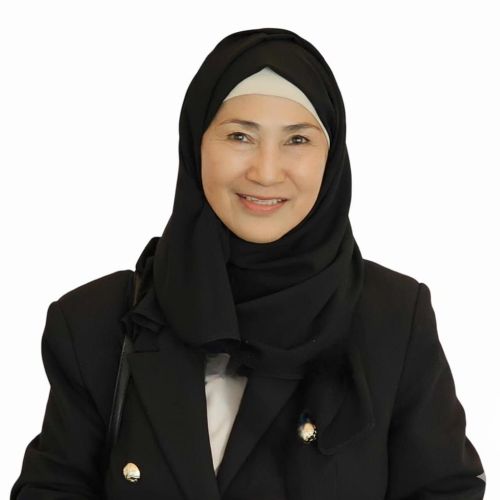
Mindanao State University (MSU) is a premier public higher education institution in the Philippines, established in 1961 to serve as an instrument for national integration, social justice, and educational advancement in Mindanao. With its main campus in Marawi City and a system of 11 autonomous campuses and 2 extension campuses across Mindanao, Sulu and Palawan, MSU offers a wide range of undergraduate and graduate programs in sciences, engineering, education, law, business, arts, and social sciences. Working towards becoming the “National Peace University,” MSU plays a pivotal role in fostering unity among the diverse cultural and religious communities of Mindanao. Guided by its vision of inclusivity and excellence, it actively pursues internationalization, research, and extension programs aligned with the UN Sustainable Development Goals. MSU is committed to producing globally competitive graduates and transformative leaders while advancing peacebuilding, innovation, and sustainable development in the Bangsamoro, Mindanao, and beyondContact:
Cluster member
Prof. Dr. Melba M. Angni
Fachhochschule Erfurt
Fachhochschule Erfurt (University of Applied Sciences Erfurt) is dedicated to applied research, interdisciplinary education, and supporting sustainable regional development. Our mission emphasizes climate responsibility and social innovation, preparing students and researchers to address real-world challenges. Academic programs cover areas such as landscape architecture, sustainable plant production, mobility, and infrastructure planning. Sustainability is integrated into the curriculum, promoting hands-on, solution-oriented learning. The university also offers a public ring-lecture series, “Grundlagen der nachhaltigen Entwicklung” (Foundations of Sustainable Development), exploring climate change, energy transition, biodiversity, and regional circular economies, while connecting knowledge across faculties. Through initiatives like the KLIMA-N network and GreenTrans-Edu, the university fosters partnerships across Thuringia and beyond to advance ecological and social sustainability.

Cluster member
Prof. Dr. Björn Machalett